











Cornwall-on-Hudson is a village of a few thousand people on the west bank of the Hudson River, about an hour north of Manhattan. It is not where you would expect to find a hardware company with thousands of shareholders. MAGFAST, the charging brand founded by Seymour Segnit and Amy Rau Segnit, lists its address there.
From London to Oxford to advertising
Segnit’s own biography starts in London. He studied engineering at Oxford University, then moved into advertising, working at Ogilvy & Mather and Saatchi & Saatchi, followed by Capital Radio.
That mix of engineering and marketing shows up in everything MAGFAST does. The products are technical, the specifications are published in detail, and the company talks to its customers constantly.
Silicon Valley and a string of ventures
In 1997 Segnit moved to Silicon Valley to build Bizfinity, which his biography describes as a $25 million venture-backed startup. Later ventures followed: CTRN, an online service he founded in 2002, and Speedilicious, a website speed optimisation business launched in 2011.
His biography also records four years at a USB charging company before MAGFAST. A contributed article about the company, published by The Next Web in 2026, says his first crowdfunding venture shipped tens of thousands of chargers but grew too fast and ended in failure.
That experience matters for understanding what came next. MAGFAST is the second time Segnit has tried to build a charging company with the public’s money.
Starting MAGFAST
Segnit founded MAGFAST in 2017 with his wife, Amy Rau Segnit, who serves as co-founder and secretary. He has described the company as “the best work of my life.”
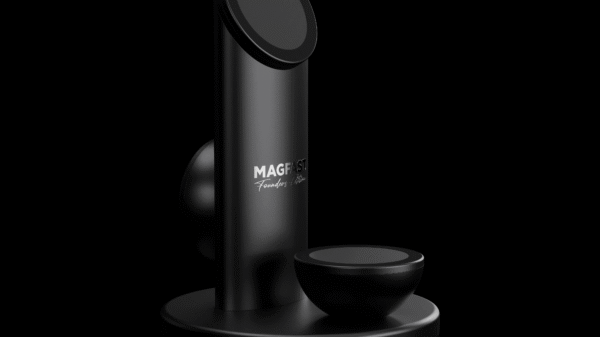
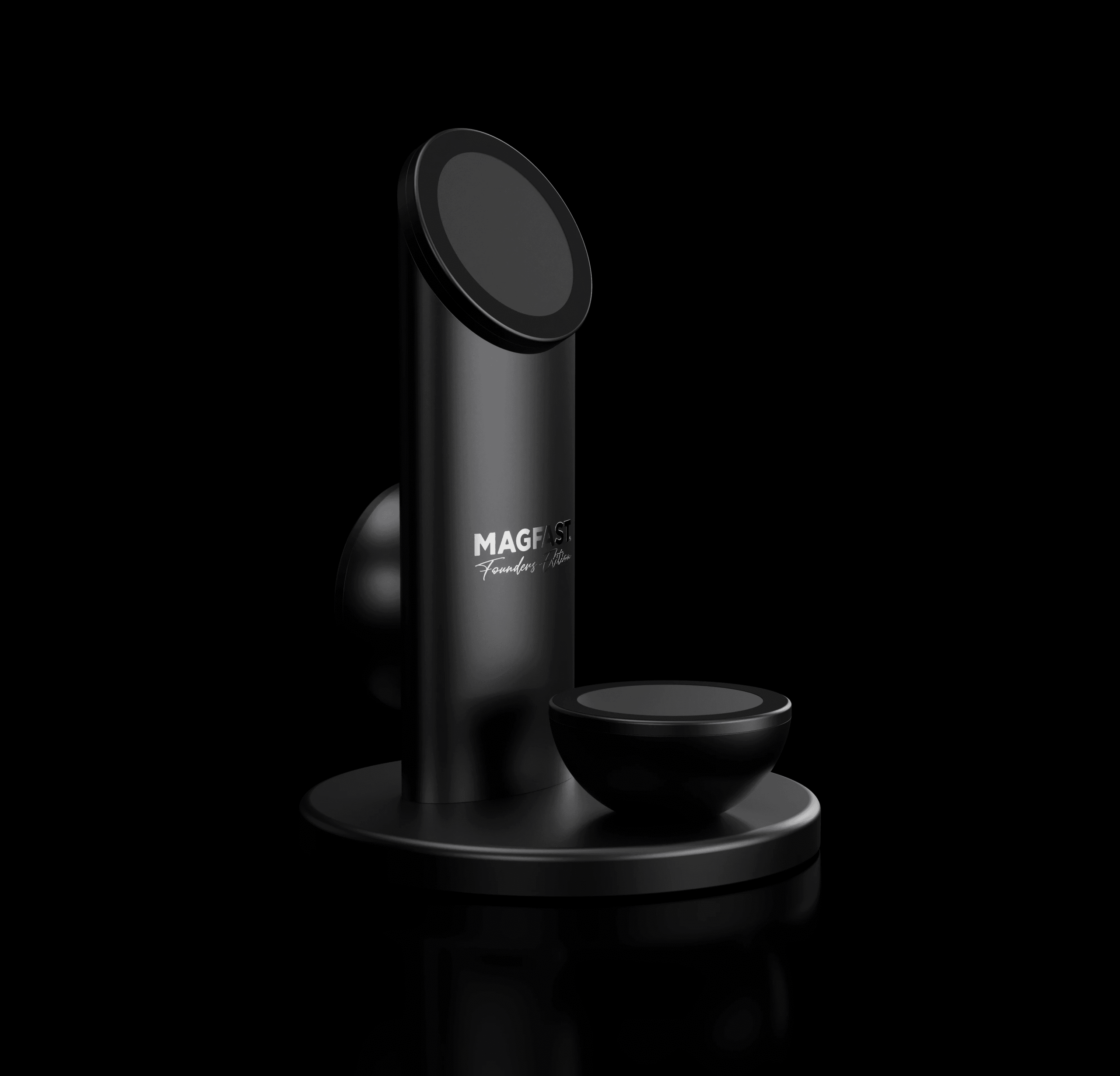
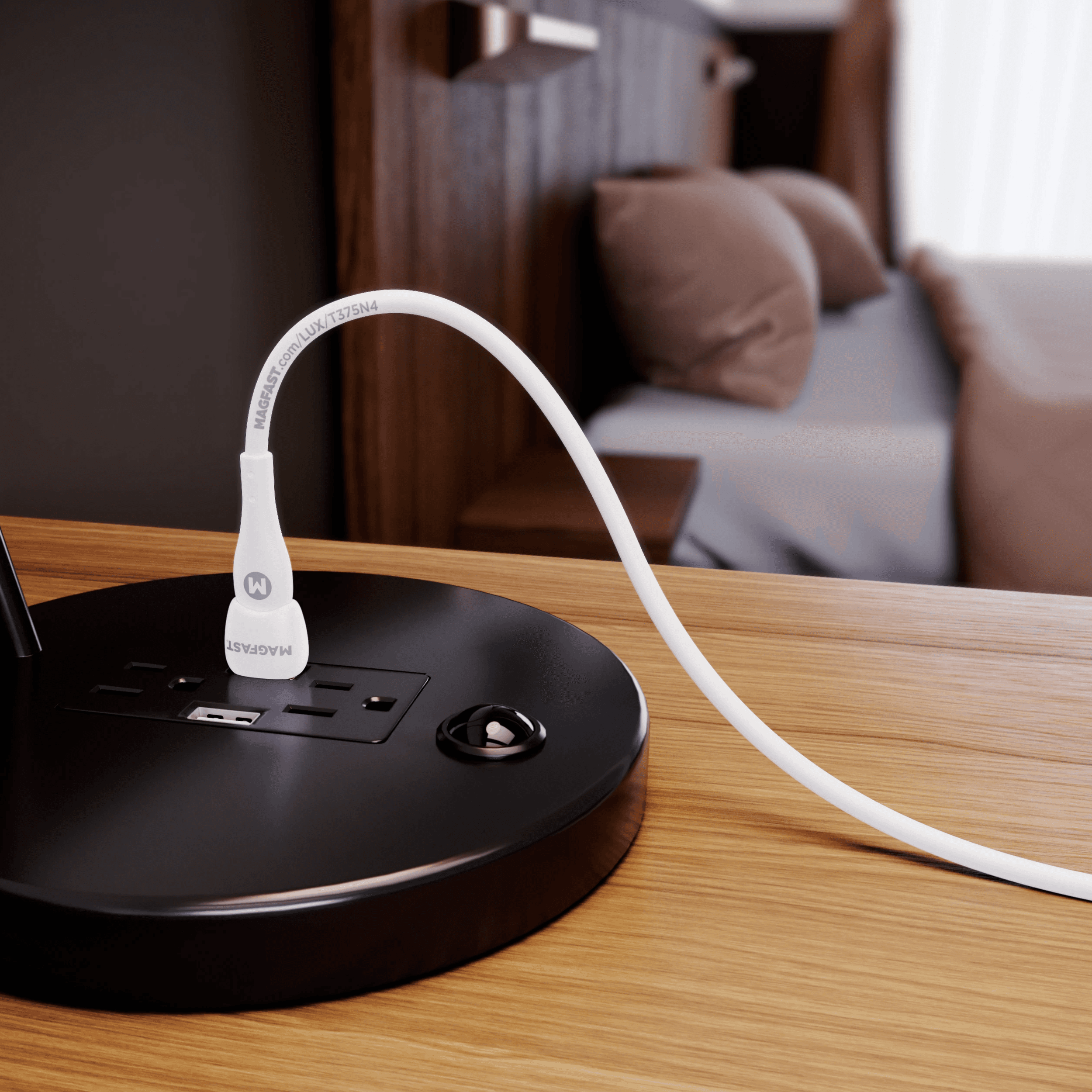
The pitch was a single family of chargers, power banks and cables designed to work together and look good doing it. Today the line includes the Air Pro charging stand, which the company says offers three Qi2 wireless charging zones and a 140-watt USB-C port; the Database Pro connectivity hub; the Powerbrick Pro 140 charger; and Lux and Lux Pro cables.
A company that talks back
The early years were hard. MAGFAST took more than $600,000 in pre-orders on its first day, by its own account, and then found manufacturing far harder than selling. Some early customers waited years, and that frustration is part of the public record, from review sites to a Better Business Bureau profile listing dozens of complaints. The company’s redesigned Gen2 product family began reaching customers in late 2025.
Segnit has kept the community model through all of it. MAGFAST raises money from its own customers through Regulation Crowdfunding, and in April 2025 its funding portal, Netcapital, announced the company had raised more than $10 million across multiple offerings.
He hosts livestreams with his team and announces new products and campaigns directly to buyers. “The response to Christmas in July was astonishing,” he said in a July 2026 announcement about a summer sales event the company reopened after customers asked for more time.
Why the Hudson Valley
The company’s registered address sits in the village, and Segnit’s biography places his family in the Hudson Valley after his Silicon Valley years. MAGFAST’s team page lists specialists in supply chain, fulfilment, industrial design and customer care.
For a New York consumer hardware company, the model is unusual: a shareholder base made up largely of customers, a founder with a failed venture behind him, and investors who also fill the order book. Whether that becomes a durable business is the question MAGFAST’s customers and investors are both watching.