











The Frustration of Wasted Minutes in Acute Care
When an unexpected health crisis happens in a household, the clock immediately starts ticking. A sudden onset of severe dehydration, a terrifying flare up of a chronic respiratory condition, or a sharp spike in pain can turn an ordinary evening into an anxious rush for help. In those vulnerable moments, every single minute feels amplified. Patients and their families are not thinking about administrative workflows or hospital shift changes. They are focused entirely on getting relief and getting it quickly.
Yet across the country, our current healthcare landscape continues to struggle with the physical friction of getting help to where it is needed most. Over the past week, discussions across the health sector have highlighted a growing trend toward connected real time networks and decentralized care models. More health systems are recognizing that the traditional journey to an emergency department is becoming longer, more crowded, and far more stressful than it ought to be.
When a person in distress arrives at a bustling hospital waiting room, they are often met with bright lights, loud noises, and long queues. They may sit on a hard plastic chair for hours before seeing a clinician. The fundamental problem here is not a lack of dedicated doctors or skilled nurses. The clinical staff inside our medical centers are working tirelessly under immense pressure. The real issue lies in how we manage travel, dispatch, and resource allocation before a care provider ever steps into the room.
Moving Beyond Static Zones and Manual Dispatch
For decades, traditional emergency systems and home health dispatches have operated on legacy models that rely on static geographic zones or manual assignment queues. A dispatcher sits at a desk, reviews a list of incoming calls, and tries to figure out which team to send based on simple regional boundaries or whoever happens to be next on a duty roster.
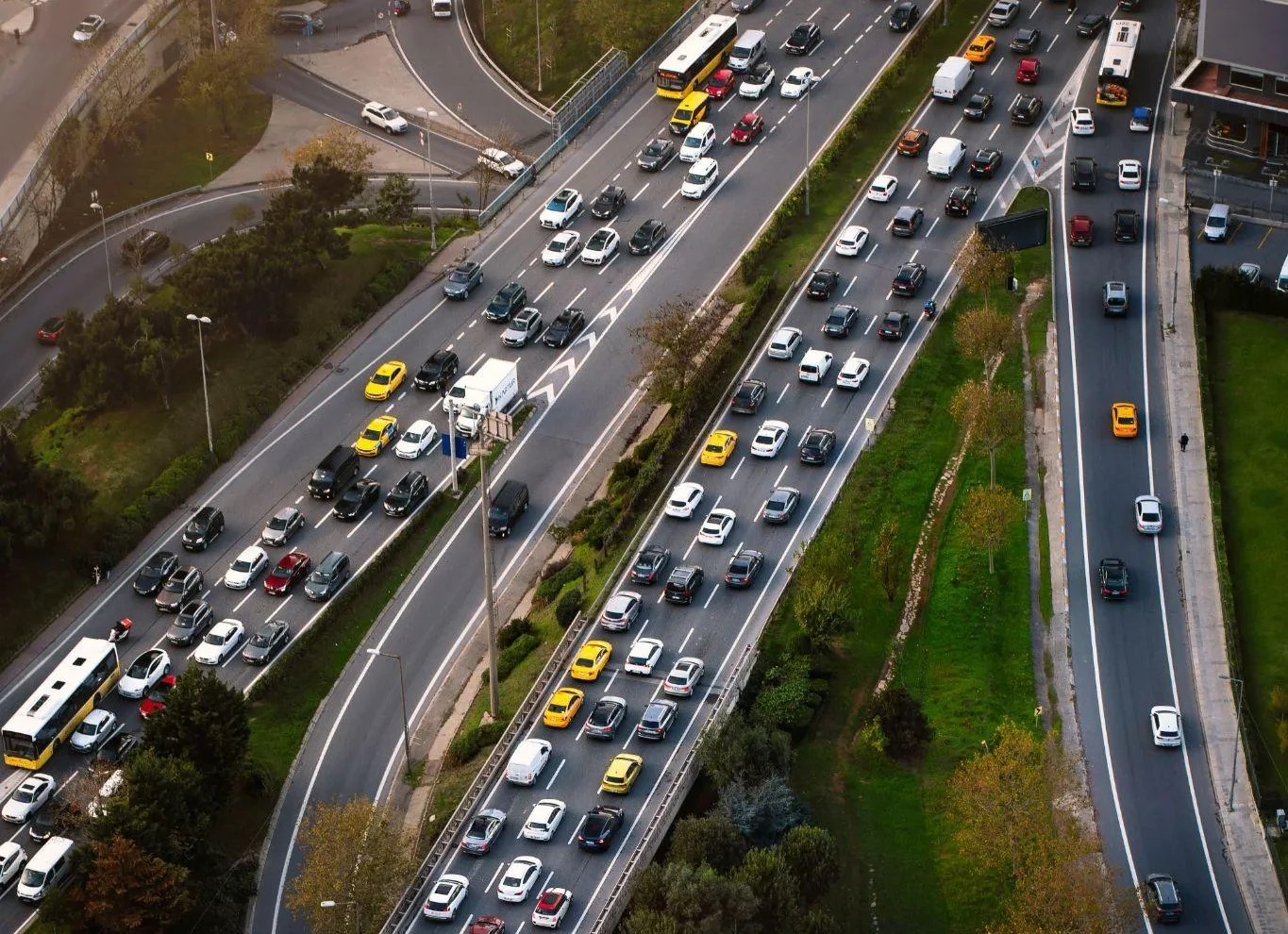
This manual approach creates significant operational waste. A medical provider sitting just a few miles away in heavy gridlock might be assigned to a call, while a far more suitable clinician who is located on an open traffic corridor goes completely unutilized. On a quiet morning, a manual system might function adequately enough. But during peak hours, when calls flood in and urban traffic builds up, human scheduling decisions under intense pressure naturally start to break down.
When we rely on manual dispatch, we are treating logistics as an afterthought rather than a core clinical parameter. A delay in transit is not just an inconvenience. It is the time during which an acute condition can worsen, anxiety can escalate, and a manageable situation can turn into a full blown emergency room visit.
Matching Clinical Expertise with Real Time Proximity
This is precisely where modern artificial intelligence transforms the equation. Rather than using technology simply to digitize paperwork or automate administrative tasks, forward thinking care models are applying smart algorithms to solve the complex puzzle of human routing and clinical matching.
By analyzing real time geographic locations, live traffic patterns, clinician specialties, and specific patient needs all at once, an intelligent system can determine the optimal care team in a matter of seconds. It looks at the whole picture rather than just one variable. It asks who is closest, who has the right expertise for this specific diagnosis, who has the necessary equipment on hand, and who can arrive at the front door with the least amount of transit friction.
Lon Hecht, CEO of Care2U, views this intelligent matching process as the key to removing friction from emergency care. In his perspective, healthcare logistics should never be a guessing game. When an acute call comes in, the goal should be to pair the exact right clinician with the patient who needs them, without wasting a single precious minute in transit. Care2U has built its model around this exact concept, delivering emergency level care directly to patient homes by using smart technology to cross reference physician locations, clinical backgrounds, and patient diagnoses in real time.
This approach changes the dispatcher job from solving an overwhelming mental puzzle to overseeing an efficient, automated flow. It ensures that the twentieth dispatch of a chaotic afternoon is executed with the exact same mathematical precision as the first call of the morning.
Bringing High Acuity Care directly to the Living Room
The true value of cutting down response times is felt most deeply at the patient bedside, or in this case, at the living room couch. When a medical team arrives at a home within a short window, the entire atmosphere of care shifts from chaotic to comforting.
In a quiet home environment, a patient does not have to endure the sensory overload of a crowded emergency department. They are not exposed to foreign germs in a busy hallway, nor do they have to worry about finding transportation or parking. Instead, they receive immediate, focused attention from a clinical team equipped with point of care diagnostics, intravenous therapies, and advanced monitoring tools.
Hecht emphasizes that bringing care into the living room does not mean lowering the standard of medicine. It simply means changing the setting. Delivering hospital level care at home allows providers to see the patient in their real world environment. They can notice if a home lacks proper cooling during a heatwave, if medications are being confused, or if nutrition is being neglected. These environmental factors are often the root causes of sudden health declines, yet they are completely invisible to a doctor working inside a traditional hospital ward.
By combining physical in-home visits with virtual physician oversight, patients get the benefit of hands-on clinical care paired with expert medical direction. An experienced clinician in the room can draw labs, administer fluids, and perform physical exams while an emergency physician joins via secure video to review diagnostic data and direct the care plan in real time.
Preserving Hospital Capacity for True Emergencies
Every time a patient with an acute but manageable condition receives rapid, high quality care at home, it creates a positive ripple effect across the entire health system. Overcrowded emergency rooms are one of the most persistent challenges in modern healthcare. When waiting rooms fill up, staff become overwhelmed, wait times soar, and the risk of oversight increases.
By deploying smart routing technology to care for patients in their own homes, we can safely divert non trauma cases away from hospital waiting rooms. This keeps vulnerable individuals out of crowded facilities while preserving critical hospital beds, trauma bays, and emergency personnel for the severe cardiac events, strokes, and physical injuries that truly require centralized hospital infrastructure.
As healthcare continues to evolve toward decentralized, proactive models, smart logistics will be the foundation that makes home based care viable on a massive scale. Reducing travel delays, optimizing clinician schedules, and matching expertise with need in real time is not just about operational efficiency. It is about treating people with dignity, speed, and deep human compassion when they need it most.