












A flurry of high-stakes acquisitions highlights the race to capture a market poised to near $600 billion by 2032, driven by self-care trends and digital integration.
In a bold strategic pivot, the global Consumer Healthcare (CHC) sector is witnessing an unprecedented wave of consolidation as industry titans jockey for position in a market experiencing explosive growth. Driven by post-pandemic self-care trends, an aging global population, and the digitalization of wellness, companies are increasingly turning to mergers and acquisitions (M&A) to fill portfolio gaps, acquire innovative brands, and secure direct-to-consumer channels. This aggressive M&A activity is not merely expansion; it is a fundamental reshaping of an industry where scale, brand portfolio diversity, and technological edge are becoming critical determinants of survival and leadership.
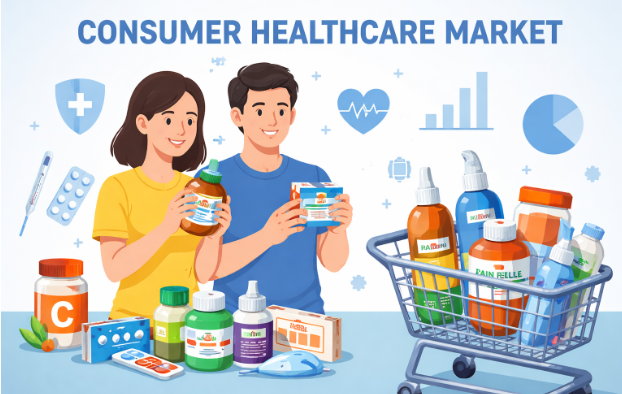
The financial stakes are immense, underpinning the fervor of these corporate maneuvers. According to SNS Insider, The Consumer Healthcare market was valued at USD 302.87 billion in 2023 and is expected to reach USD 588.68 billion by 2032 and grow at a CAGR of 7.68% over the forecast period of 2024-2032. This projected near-doubling of market value within a decade is a siren call for investment, prompting players to make decisive moves now to capture a disproportionate share of the future opportunity.
“The traditional boundaries between pharma, consumer goods, and digital health are blurring,” notes Claudia Benton, a leading healthcare strategist at Veritas Advisory. “For big pharma, CHC offers stable, cash-generative assets less susceptible to patent cliffs. For consumer goods giants, it’s a high-growth adjacency with premium margins. Everyone is looking for the right puzzle pieces, and they’re willing to pay a premium for them.”
The Strategic Playbook: Recent Mega-Deals in Focus
The past 18 months have been a case study in strategic acquisition logic:
1. The Market Creator & The Pure-Play Specialist: The sector’s most transformative deal recently was the completion of Kenvue’s spin-off and subsequent IPO from Johnson & Johnson. Creating a standalone, $40+ billion CHC titan (with iconic brands like Tylenol, Listerine, and Neutrogena) was itself a seismic event. However, the strategy extended further. In a move to dominate the lucrative allergy relief space, Kenvue successfully acquired the over-the-counter (OTC) brand portfolio of Kenvue, including Zyrtec, from its former parent J&J for $13.2 billion. This not only simplified corporate structures but instantly made Kenvue a powerhouse in allergy, a category with strong brand loyalty and seasonal consistency.
2. The European Powerhouse Expands its Reach: Seeking to bolster its presence in the high-growth Vitamins, Minerals, and Supplements (VMS) segment, Germany’s Bayer AG completed the acquisition of the specialized supplement company Dsm-firmenich’s (now known as) VMS business for a significant sum. This deal provides Bayer’s Consumer Health division (home of Claritin, Aleve, and Coppertone) with a robust portfolio of evidence-backed supplement brands, allowing it to compete more aggressively with pure-play VMS leaders and capture more of the health-conscious consumer’s wallet.
3. The Quest for Innovation & Digital Touchpoints: Beyond traditional brand buyouts, M&A is increasingly targeting innovation pipelines and digital platforms. Companies like Nestlé Health Science have consistently acquired boutique brands in personalized nutrition and medical foods. Meanwhile, major players are investing in or acquiring digital wellness platforms, telehealth services, and direct-to-consumer (DTC) subscription brands to build lasting consumer relationships beyond the retail shelf. The acquisition of digitally-native brands by conglomerates offers instant access to loyal customer bases, agile marketing expertise, and rich consumer data.
Drivers of the Deal-Making Frenzy
Analysts point to a confluence of factors fueling this M&A boom:
· The Self-Care Revolution: Consumers are more empowered than ever to manage their own health, from preventative wellness to minor ailment treatment. This shift, accelerated by the pandemic, increases demand for trusted OTC, VMS, and wellness products.
· Margin Pressures & Scale Economics: In an inflationary environment with rising input and supply chain costs, achieving scale through consolidation offers crucial leverage in manufacturing, distribution, and marketing spend.
· The Digital Imperative: Integrating digital tools—for diagnostics, personalized recommendations, subscription services, and consumer engagement—is no longer optional. Acquiring tech-enabled startups is often faster than building capabilities in-house for traditionally analog giants.
· Portfolio Optimization: Large pharmaceutical companies are streamlining operations, shedding non-core CHC assets to focus on innovative prescription drugs, while pure-play CHC companies and consumer goods conglomerates are eager buyers, seeing stable growth and strong brand equity.
The Road Ahead: Integration Challenges and Future Outlook
The path post-acquisition is fraught with challenges. Successfully integrating disparate corporate cultures, managing brand portfolios without cannibalization, realizing promised cost synergies, and leveraging digital assets effectively are complex tasks. Regulatory scrutiny, particularly concerning market dominance in key OTC categories, is also intensifying.
Despite these hurdles, the momentum for M&A is expected to continue. Mid-tier companies and attractive niche brands (e.g., in organic supplements, advanced sports nutrition, or geriatric wellness) are likely targets. Private equity firms, flush with capital, are also active players, seeing CHC as a resilient sector with strong cash flows.
The overarching narrative is clear: the race to lead the nearly $600 billion Consumer Healthcare market of 2032 is being run today in the boardrooms and deal-making tables of the world’s largest health and consumer companies. The landscape emerging from this period of intense consolidation will be defined by fewer, larger, and more vertically integrated players, each aiming to be the ultimate destination for the global consumer’s health and wellness journey. For shareholders, it promises both opportunity and volatility; for consumers, it pledges more choice and innovation, albeit from a more concentrated set of powerful market stewards.