











Neurotechnology is experiencing rapid advancements, particularly in the healthcare sector, where it is transforming the diagnosis and management of neurological conditions. A key factor driving this change is the emergence of remote EEG monitoring companies, with Sevaro as a prominent player, which are reshaping the landscape of neurological diagnostics and patient care.
What Is Remote EEG Monitoring?
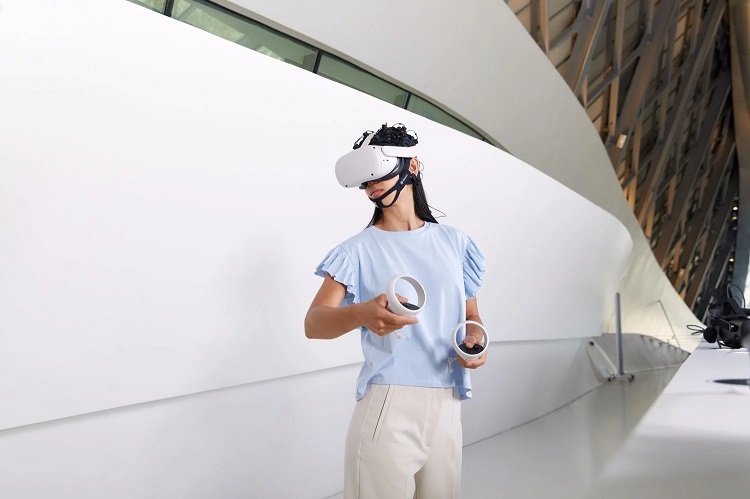
Remote EEG monitoring refers to the capability of recording and analyzing brain activity without necessitating the patient’s physical presence in a medical facility. Traditional electroencephalograms (EEGs) require electrodes to be adhered to the scalp in a clinical setting, which can be challenging and inconvenient for many patients. In contrast, remote EEG monitoring leverages portable devices coupled with advanced connectivity technologies, allowing for patient monitoring in the comfort of their own homes. This innovative approach enhances patient comfort while enabling continuous data collection, which improves both diagnostic accuracy and treatment options.
The Role of Remote EEG Monitoring Companies
At the forefront of this technological shift are companies specializing in remote EEG monitoring. These organizations develop user-friendly and efficient devices that effectively capture brain activity. Sevaro, a leader in this domain, is making EEG technology more accessible, particularly for individuals in remote or underserved areas. Such accessibility is crucial in democratizing healthcare and reducing the gap between patients and essential neurological services, including sleep studies and epilepsy monitoring.
Advantages of Remote EEG Monitoring
The rise of remote EEG monitoring offers numerous advantages. Primarily, it enhances the patient experience by reducing the need for travel to clinics or hospitals for testing. This convenience is particularly beneficial for individuals who may hesitate to seek care due to anxiety or logistical challenges.
Continuous monitoring enables more precise assessments of neurological conditions. Traditional EEGs capture only brief snippets of brain activity, which may not provide an accurate picture of a patient’s condition. Remote systems allow for extended monitoring periods, enabling the identification of fluctuations and events that may occur outside a clinical environment. This comprehensive data collection empowers healthcare providers to develop more personalized treatment strategies tailored to the unique needs of individual patients.
The Future of Remote EEG Monitoring
As technology progresses, the potential of remote EEG monitoring continues to expand. The integration of artificial intelligence (AI) and machine learning algorithms into the analysis of EEG data is expected to revolutionize the field. Such technologies can uncover patterns and anomalies that may not be immediately noticeable to human analysts, thereby enhancing diagnostic accuracy and treatment effectiveness.
Companies like Sevaro are at the forefront of the push toward personalized medicine. By utilizing data-driven insights, they aid in crafting tailored treatment plans that promise improved patient outcomes. Furthermore, the combination of remote monitoring and predictive analytics may empower clinicians to anticipate seizure events in epilepsy patients, thereby facilitating proactive rather than reactive care.
Challenges and Considerations
Despite the optimistic outlook, several challenges must be navigated by remote EEG monitoring companies. Data privacy and cybersecurity are paramount, as personal health information becomes increasingly vulnerable in a digital landscape. Additionally, ensuring the reliability of data collected from remote devices is crucial to maintaining trust in these technologies.
The rise of remote EEG monitoring companies like Sevaro signifies a critical advancement in neurotechnology. By enhancing the availability and thoroughness of EEG assessments, these organizations are revolutionizing the diagnosis and treatment of neurological disorders. As the field evolves, we can expect further innovations that will continue to enhance patient care and deepen our understanding of brain health. The future of neurotechnology appears promising, with remote EEG monitoring poised to play a vital role in its ongoing development.