












For many small and mid sized businesses, lost revenue does not always announce itself. Sometimes it looks like a phone that rang while everyone was busy. A prospect who never left a voicemail. An inquiry that sat unanswered long enough for the customer to call someone else.
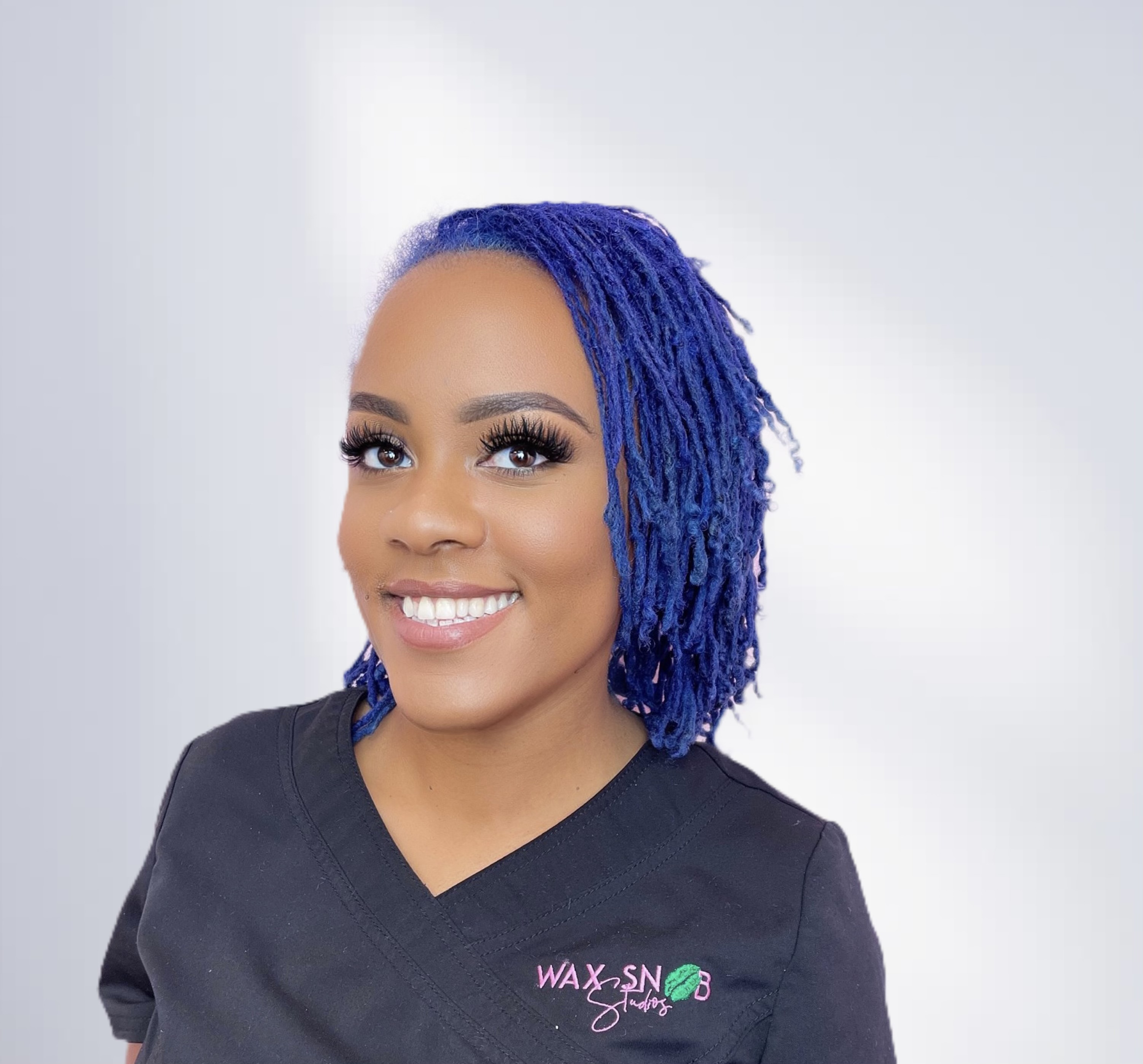
Halah Kablan Ladson believes this quiet gap between customer interest and business response deserves far more attention.
In February 2026, the entrepreneur and real estate professional launched SYNCivate AI in Charlotte, North Carolina, an AI automation company focused on helping businesses replace manual processes with custom systems. Its work includes AI voice agents that answer calls, qualify prospects, schedule appointments and handle follow up around the clock.
The premise is straightforward. Businesses may spend heavily to generate demand, but the investment means little if no one responds when the customer is ready to act.
Finding the Problem Behind the Lead Problem
Artificial intelligence has become increasingly accessible to business owners, yet access to technology and knowing how to put it to work are two very different things. SYNCivate was created to handle the implementation side of that equation.
Rather than asking owners to assemble various tools themselves, the company develops systems around the actual points where work slows down or opportunities disappear.
Ladson sees unanswered calls as one of the clearest examples.
“Most businesses don’t have a lead problem. They have a response problem,” she says. “By the time a human calls back, the prospect has already moved on. We built SYNCivate to close that gap permanently.”
That philosophy has shaped the company’s early deployments.
From 87 Percent Missed Calls to 3 Percent
One of SYNCivate’s most notable early results came through its work with The Sovereign, where the company deployed Lexi, a live AI voice agent responsible for handling inbound calls.
According to SYNCivate, the client had an 87 percent missed call rate before deployment. Within days, that figure fell to 3 percent, based on RingCentral data from the most recent 60 day period provided by the company.
The significance goes beyond a cleaner call log. Every missed inquiry can represent a prospective customer who has already expressed enough interest to pick up the phone.
For Ladson, this is where conversations about AI become practical. The value is easier to understand when automation is tied to a specific operational problem and a measurable outcome.
“That’s not automation theory,” she says. “That’s revenue recovery with a timestamp.”
Building AI That Works in Real Businesses
SYNCivate has now built and deployed four AI voice agents, Harper, María, Parker and Lexi, across two active businesses. The systems are live and operational, with bilingual capability allowing them to serve both English and Spanish speaking callers.
The agents are designed to take on repetitive but commercially important interactions. They can answer inbound calls, qualify leads, book appointments and continue follow up without requiring an employee to remain constantly available.
That distinction matters for smaller companies. Hiring additional staff to cover every call or administrative task can quickly increase overhead. At the same time, expecting an already busy team to respond immediately to every inquiry is rarely realistic.
SYNCivate positions automation between those two pressures, giving businesses a way to maintain responsiveness while reducing dependence on manual workflows.
The Systems Behind the Sanity
Ladson describes the company with a phrase that captures both the technology and the problem it is meant to solve: “The systems behind the sanity.”
It is a fitting description for an approach centered less on AI as a novelty and more on what happens after implementation. For a business owner, the real test is not whether a system sounds impressive. It is whether calls get answered, appointments appear on the calendar, prospects receive timely responses and employees recover hours previously spent on repetitive work.
As SYNCivate grows from Charlotte, Ladson is betting that this practical view of automation will resonate with business owners who are interested in AI but have little appetite for becoming technologists themselves.
The opportunity she sees is not simply to give companies another piece of software. It is to make sure fewer valuable conversations disappear before they ever begin.
Learn More
To learn more about Halah Kablan Ladson and SYNCivate AI, visit SYNCivateAI.com.