












The people who understand a broken system best are rarely the ones sitting furthest from it. They are the ones who have spent years working inside it, watching where it fails, absorbing the frustration of outcomes that did not have to happen, and quietly accumulating the knowledge of exactly what would need to change.
In healthcare, those people are often nurses.
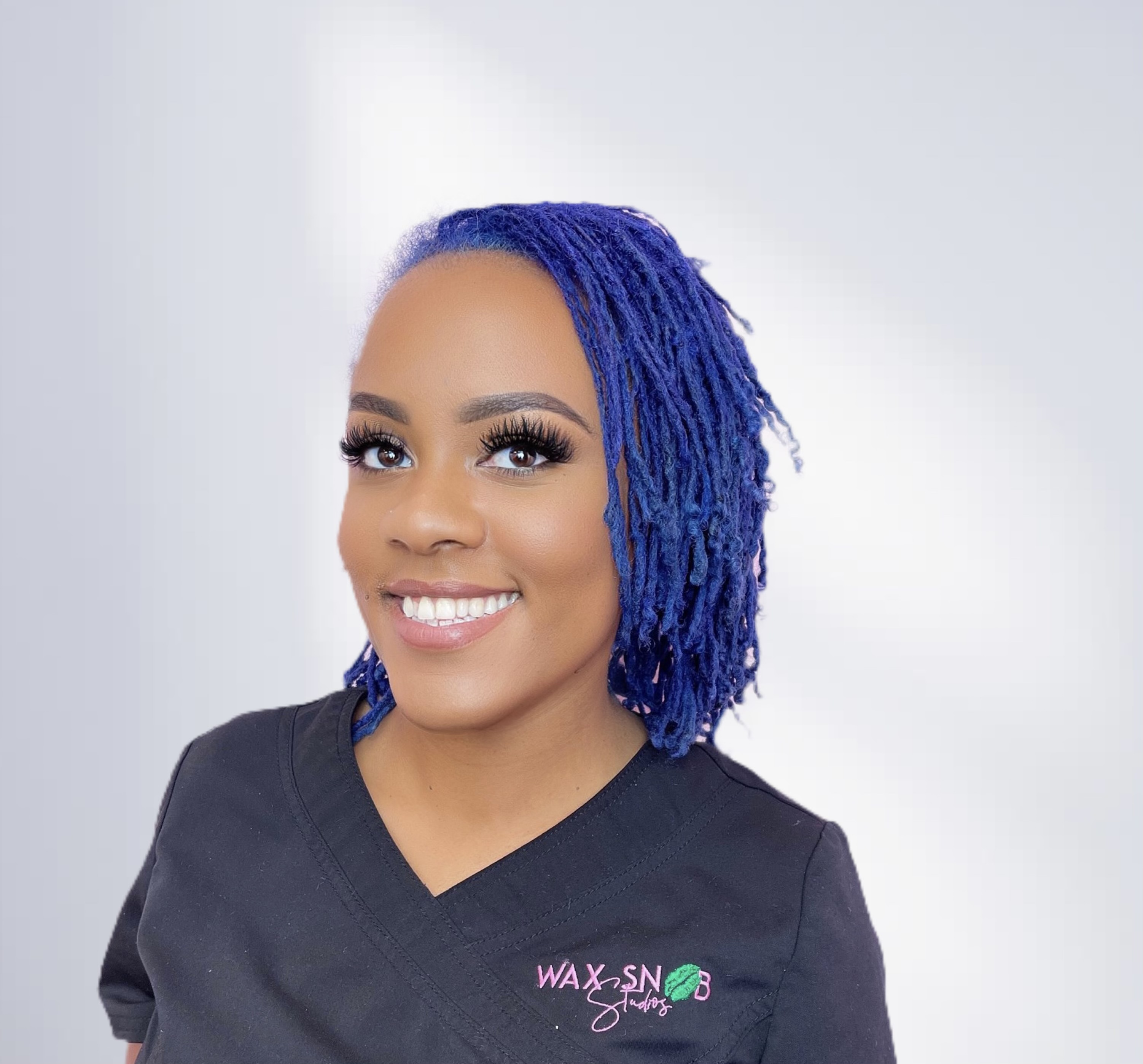
Tashiba Williams, NP-C, spent more than 25 years in nursing before founding ADA Family Health Clinic, a mobile wound care and primary care practice now serving patients across Texas and Louisiana. Her path from emergency room registered nurse to board-certified nurse practitioner to clinic founder is not a story about someone who stumbled into entrepreneurship. It is a story about someone who spent decades developing an intimate understanding of where the system falls short and eventually decided she had both the knowledge and the responsibility to do something about it.
That path also places her within a conversation that healthcare is long overdue to have: about who gets to lead, whose expertise gets treated as leadership material, and what the industry loses when the people closest to patients are not in the rooms where decisions get made.
The View From the Bedside
There is a kind of knowledge that does not come from medical school or business school or a healthcare administration program. It comes from years of direct patient contact, from being present at the moments when the system works and the moments when it does not, from understanding the patient not as a case file but as a person navigating a complicated and often overwhelming experience.
Williams accumulated that knowledge over roughly 15 years as an emergency room registered nurse before advancing her credentials and transitioning into practice as a nurse practitioner. The ER gave her exposure to the full spectrum of acute and chronic conditions, and more importantly, it gave her a clear-eyed view of the patterns that led patients there in the first place.
Chronic wounds were one of those patterns. Patients arriving with diabetic ulcers and pressure injuries that had progressed far beyond where they should have been allowed to go. Wounds that had not received adequate monitoring or consistent treatment. Conditions that, in a better-designed system, would have been intercepted long before they became emergencies.
That bedside knowledge became the foundation of ADA Family Health Clinic. Not a theory about what patients needed, but a direct observation of it, repeated over years, until the gap between what existed and what was needed became impossible to ignore.
Leadership That Looks Different
Williams is a Black woman who built a healthcare business from the ground up in Houston, Texas, a city with significant health disparities and a patient population that includes large numbers of underserved community members who face elevated risk for exactly the conditions her clinic specializes in treating.
That context is not incidental to her story. It is central to it. The patients Williams describes as her primary focus, those facing barriers to specialist access, dealing with transportation and mobility challenges, living with diabetes and vascular disease in communities where follow-up care is inconsistent, are disproportionately patients of color. Williams understands that population not only clinically but personally, and that understanding shapes how her clinic operates and who it prioritizes.
What the Industry Stands to Gain
The argument for more nurse practitioners in founder and leadership roles is not simply about representation, though that matters. It is also about outcomes. Clinicians who have spent years in direct patient care bring a fundamentally different perspective to the design of healthcare services than administrators or investors who have not. They know where the friction is. They know what patients actually need versus what the system assumes they need. They know which innovations sound good in a boardroom and which ones work at the bedside.
Williams’ mobile clinic model is a direct product of that perspective. The decision to bring care to the patient rather than expecting the patient to navigate their way to the care did not come from a market study. It came from years of watching what happens when patients cannot reliably make that journey, and choosing to solve the problem at its root rather than at its symptoms.
“Mobile wound care reflects a broader shift in healthcare toward decentralized, patient-centered treatment,” Williams said. “By delivering specialized wound care directly to patients’ homes or care facilities, providers can intervene earlier, improve healing outcomes, and reduce the costly complications that often result from delayed care.”
That is not the language of someone who stumbled into a good idea. It is the language of someone who has thought carefully, over a long period of time, about what better healthcare actually requires.
Williams mentors healthcare staff and students and remains active in several professional nursing associations. She has built her clinic while managing her own serious health challenges and has spoken openly about what that experience has taught her about resilience and patient care.
Her goal for ADA Family Health Clinic over the next five to seven years is national expansion, bringing the mobile care model she has developed in Texas and Louisiana to more patients in more communities across the country.
If that vision is realized, it will not be because of a fortunate opportunity or a well-timed investment. It will be because someone who spent 25 years learning exactly what was broken decided she was the one to fix it.
That is what healthcare leadership looks like when it comes from the bedside.